What did Lewis and Clark discover?
They did not find what Jefferson most hoped for, an easy water route across the continent. What they brought back instead was knowledge: the first American maps of the West, and descriptions of about 178 plants and 122 animals that were new to science.
“New to science” means new to scientists in the United States and Europe. The nations of the West knew every one of these plants and animals, and Native guides showed the Corps many of the rivers and passes it followed. The counts are the historian Paul Russell Cutright’s.
Animals
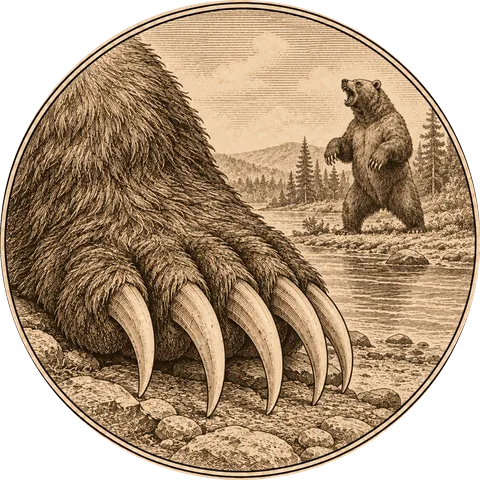
The grizzly bear, the “white bear” the hunters feared above all others. (Chapter 10)
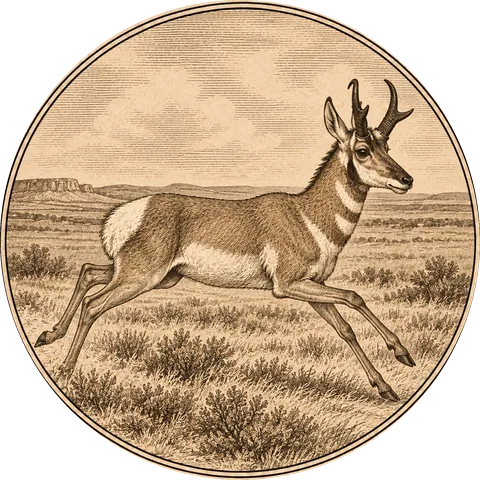
The pronghorn, the fastest animal on the plains. (Chapter 5)
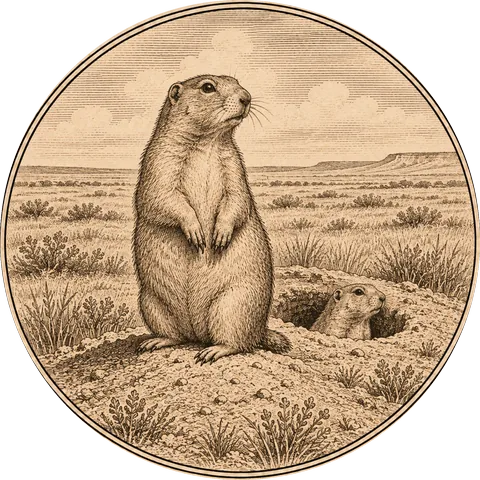
The prairie dog. In September 1804 the Corps spent most of a day pouring water into a burrow to catch one alive. It was sent to Jefferson with four magpies in April 1805; one magpie survived the journey, and the prairie dog reached the President’s House alive that August. (Chapter 5 and Chapter 9)
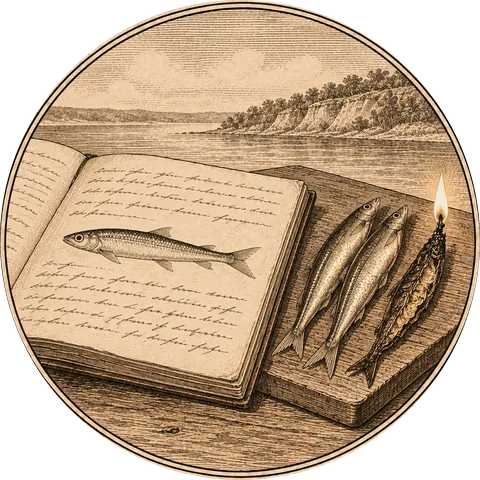
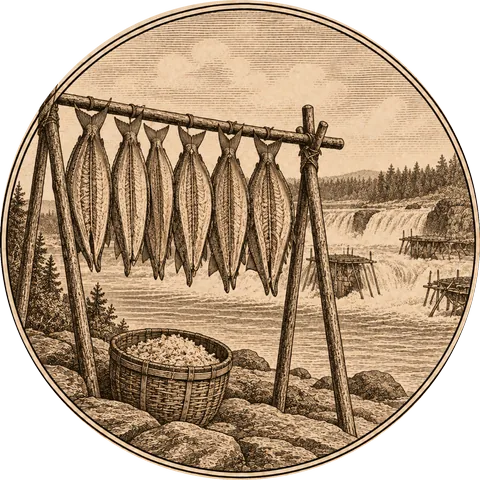
The candlefish, or eulachon, a small, oily fish of the Columbia that Lewis described and sketched at Fort Clatsop. (Chapter 23)
Others include the coyote, the mule deer, the black-billed magpie, the greater sage-grouse, the westslope cutthroat trout, and two birds now named after the captains: Lewis’s woodpecker and Clark’s nutcracker.
Plants
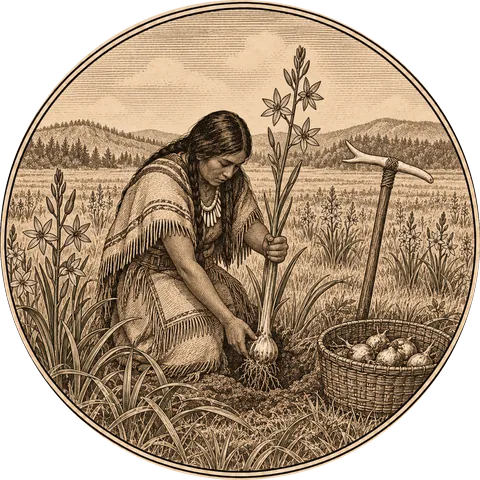
Camas, whose roots the Nez Perce baked and fed to the starving Corps. (Chapter 18)
Lewis also described the bitterroot, now named Lewisia rediviva after him and the state flower of Montana; the pink wildflower Clarkia, named after Clark; Lewis’s blue flax; and the Oregon grape.
Rivers, mountains and maps
They mapped the Missouri from its mouth to its sources, the Great Falls and the Three Forks, which they named after Jefferson, Madison and Gallatin, and the Columbia to the sea. At Lemhi Pass on 12 August 1805 Lewis climbed to the Continental Divide expecting a short carry to a westward river, and saw range after range of mountains instead: there was no easy water route to the Pacific. (Chapter 13, Chapter 14 and Chapter 15)
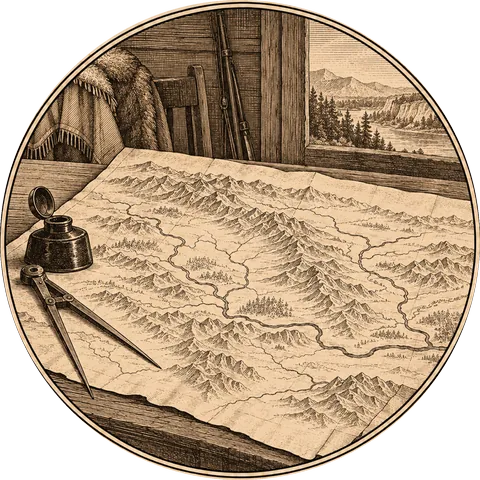
Clark’s great map, published with the official account of the expedition in 1814, showed the American West more accurately than any map before it. (Chapter 31)
How they recorded it
From Fort Mandan in April 1805 they sent Jefferson plants, skins, bones and live animals. Through the wet winter at Fort Clatsop, Lewis wrote careful descriptions of the plants and animals of the West, with sketches, while Clark worked on his maps. (Chapter 9 and Chapter 23)
See all the objects in the codex →
More about the expedition: Summary, chapter by chapter · Timeline · The route · Who was on the expedition · Sacagawea